NCERT Class 9 Science Chapter 3 Tissues in Action Solutions
Short Intro
“Tissues in Action” chapter explains how groups of similar cells work together to perform specific functions in plants and animals. This chapter covers plant tissues, animal tissues, meristematic tissues, epithelial tissues, connective tissues, muscles, nervous tissues, joints, and skeletal system. Below are complete step-by-step solutions with explanations for all textbook questions in simple Unicode format suitable for uploading on www.mymockmate.com.
Quick Information Box
| Topic | Details |
|---|---|
| Chapter Name | Tissues in Action |
| Subject | Science |
| Grade | Class 9 |
| Main Concepts | Plant & Animal Tissues |
| Important Topics | Meristematic Tissue, Permanent Tissue, Muscles, Joints |
| Difficulty Level | Medium |
| Exam Importance | Very High |
Concepts Used (Topics Covered)
- Tissue and division of labour
- Plant tissues and animal tissues
- Meristematic tissues
- Permanent tissues
- Xylem and phloem
- Epithelial tissue
- Connective tissue
- Muscular tissue
- Nervous tissue
- Skeletal system
- Types of joints
- Musculoskeletal coordination
Important Formulas
Percentage Formula
Average Formula
Pause and Ponder
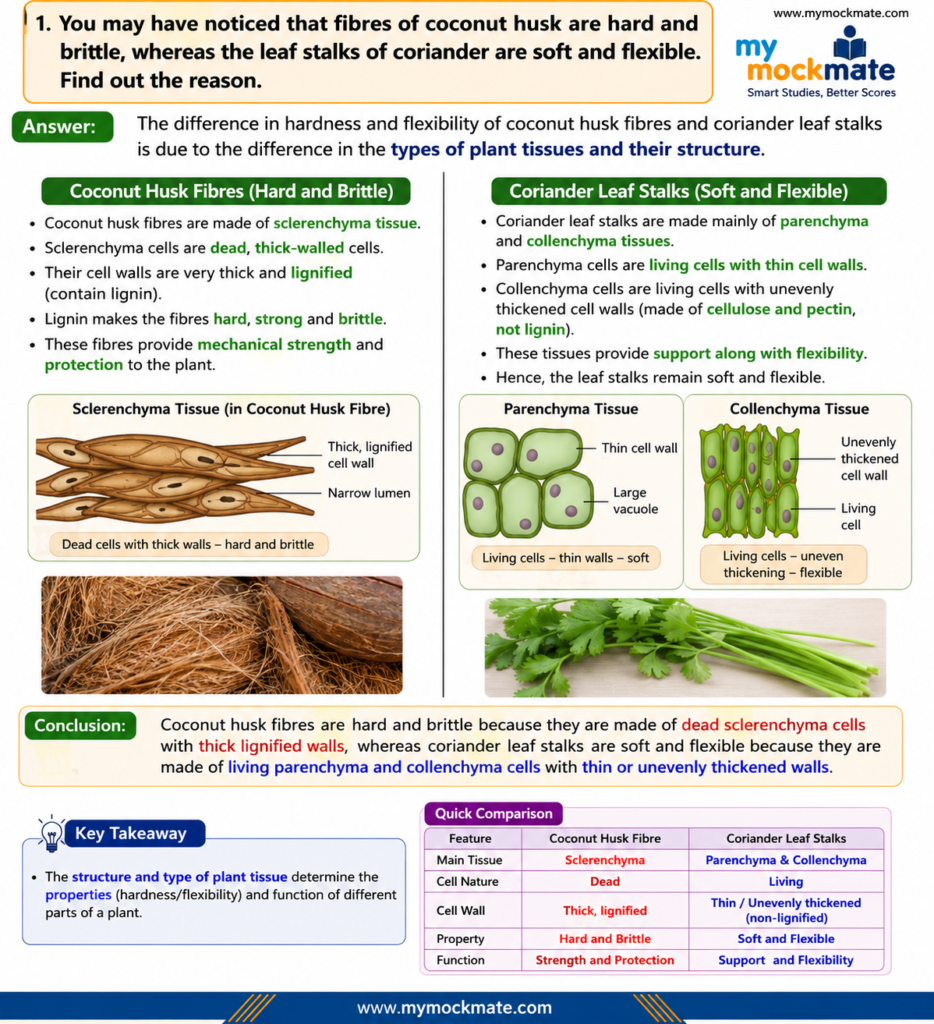
- You may have noticed that fibres of coconut husk are hard and brittle, whereas the leaf stalks of coriander are soft and flexible. Find out the reason.
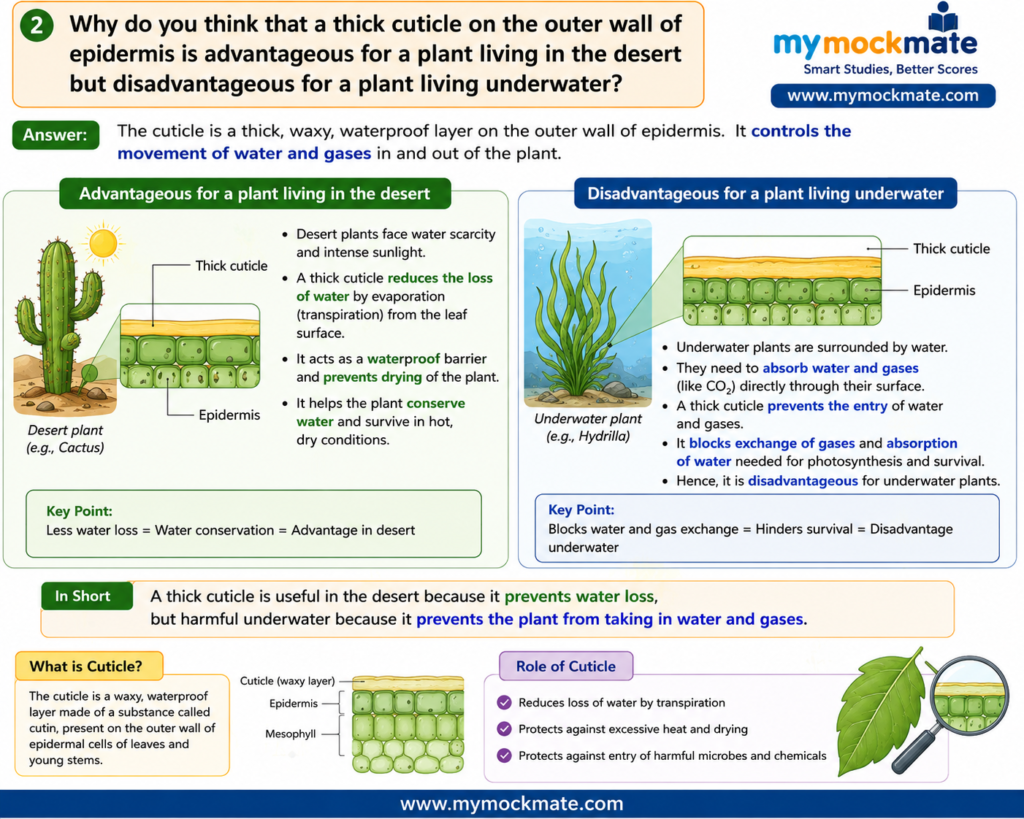
2. Why do you think that a thick cuticle on the outer wall of epidermis is advantageous for a plant living in the desert but disadvantageous for a plant living underwater?
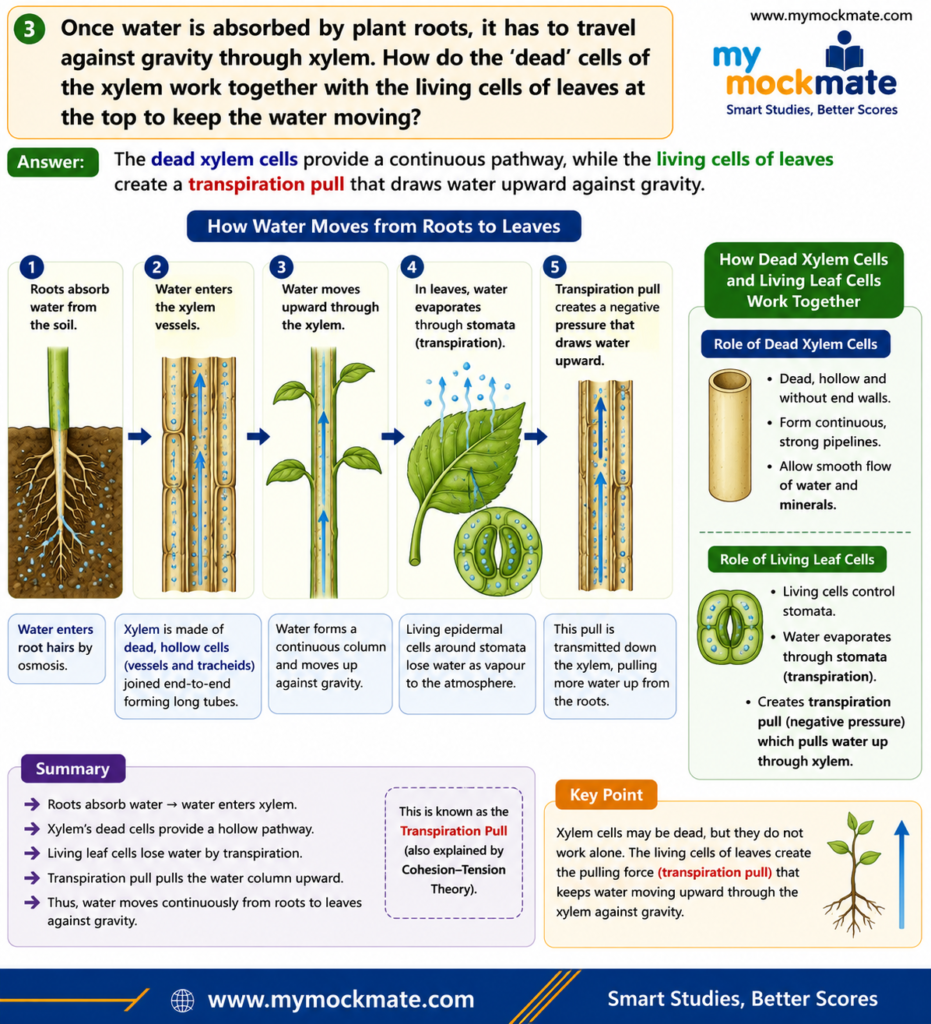
3. Once water is absorbed by plant roots, it has to travel against gravity through xylem. How do the ‘dead’ cells of the xylem work together with the living cells of leaves at the top to keep the water moving?
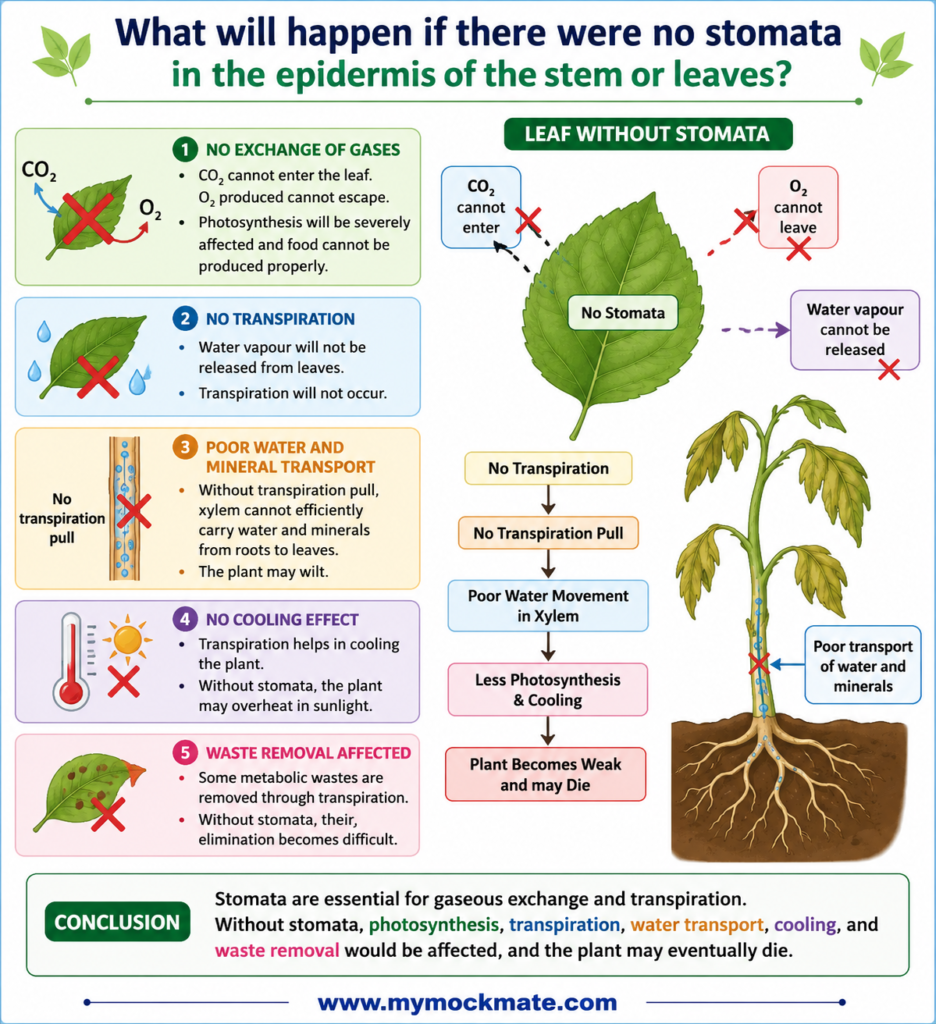
4. What do you think will happen if there were no stomata in the epidermis of the stem or leaves?
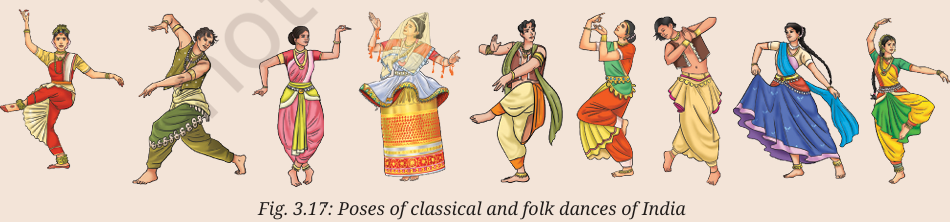
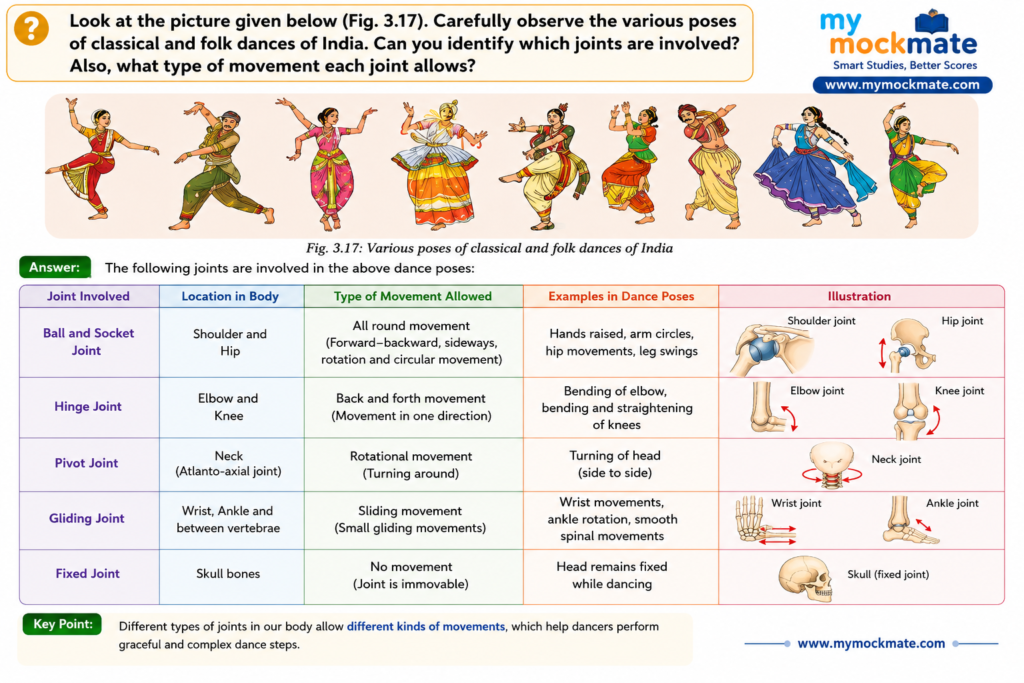
5. Look at the picture given below (Fig. 3.17). Carefully observe the various poses of classical and folk dances of India. Can you identify which joints are involved? Also, what type of movement each joint allows?
Revise, Reflect, Refine
Question 1
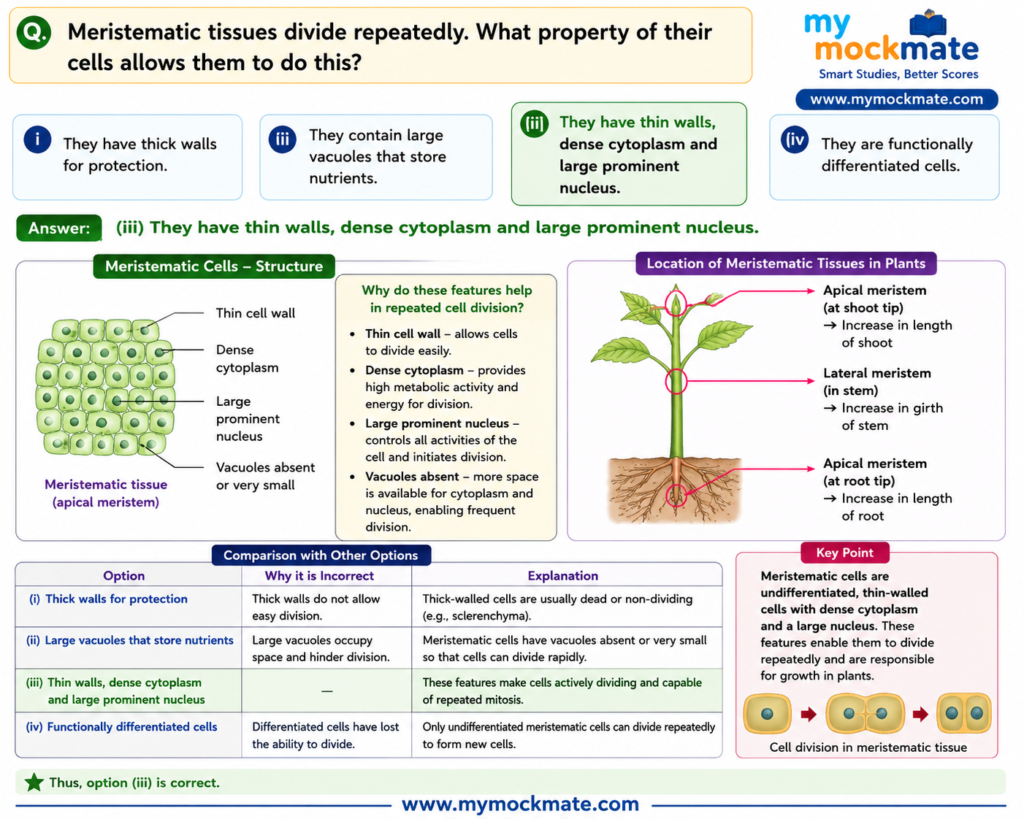
Meristematic tissues divide repeatedly. What property of their cells allows them to do this?
(i) They have thick walls for protection.
(ii) They contain large vacuoles that store nutrients.
(iii) They have thin walls, dense cytoplasm and large prominent nucleus.
(iv) They are functionally differentiated cells
Question 2
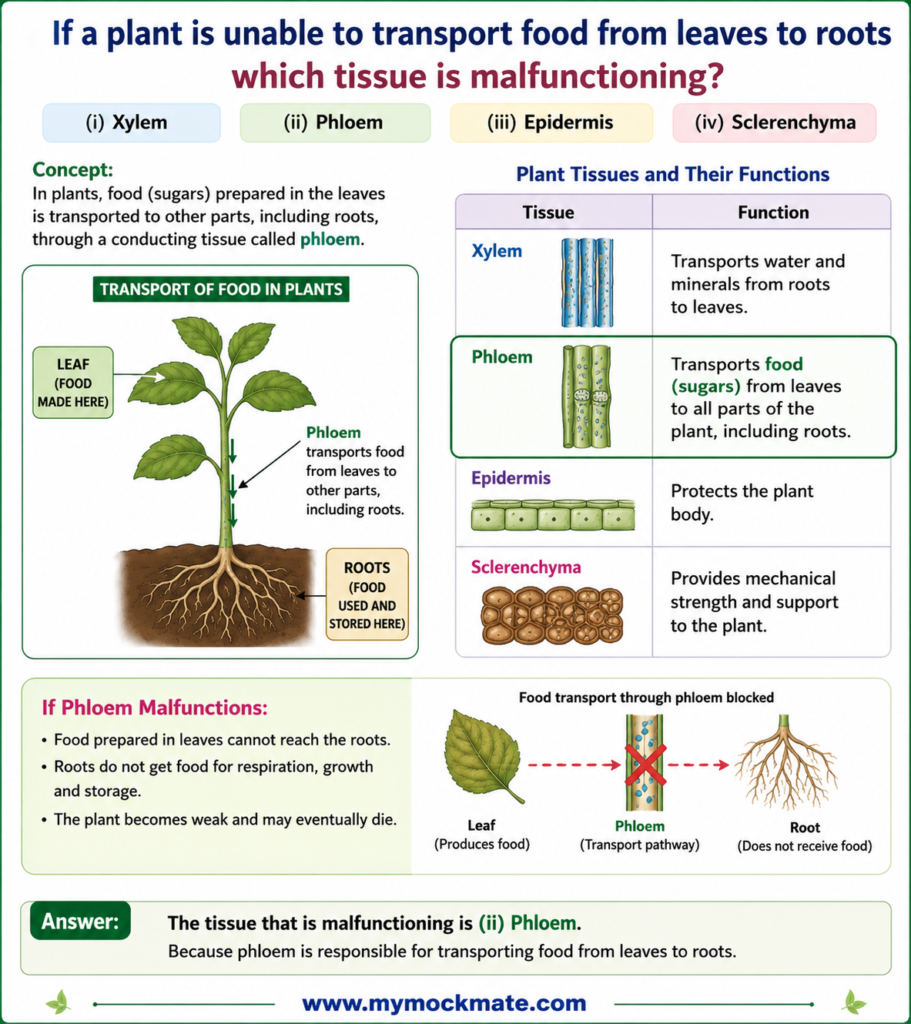
If a plant is unable to transport food from leaves to roots which tissue is malfunctioning?
(i) Xylem
(ii) Phloem
(iii) Epidermis
(iv) Sclerenchyma
Question 3
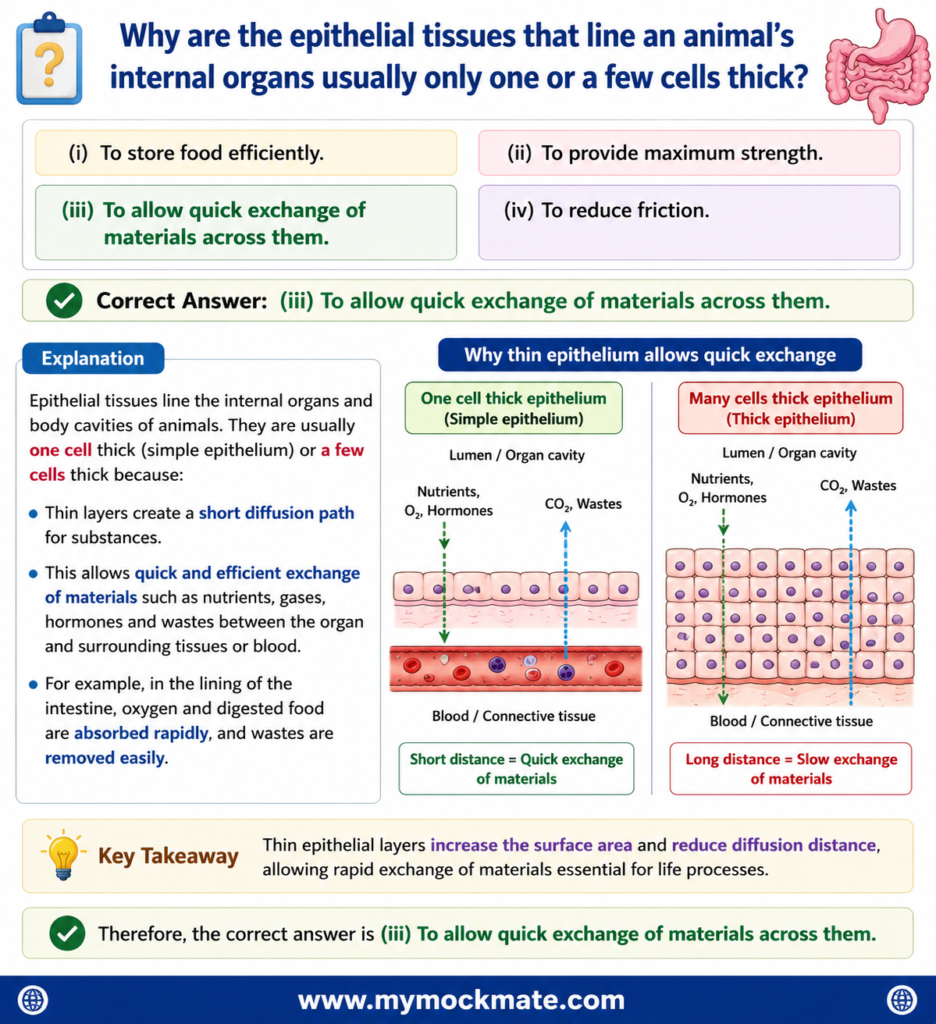
Why are the epithelial tissues that line an animal’s internal organs usually only one or a few cells thick?
(i) To store food efficiently.
(ii) To provide maximum strength.
(iii) To allow quick exchange of materials across them.
(iv) To reduce friction.
Question 4
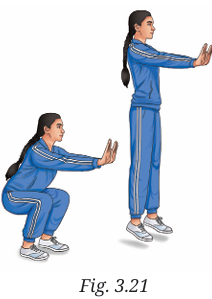
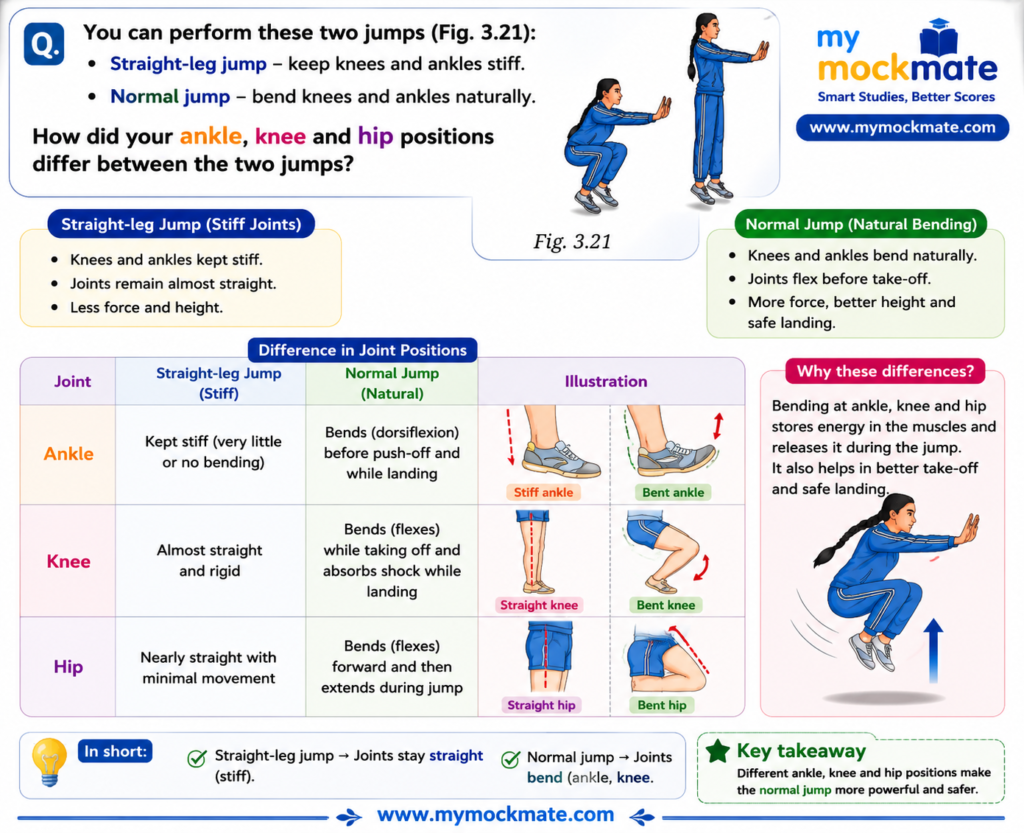
You can perform these two jumps (Fig. 3.21): Straight-leg jump — keep knees and ankles stiff.
Normal jump — bend knees and ankles naturally.
How did your ankle, knee and hip positions differ between the two jumps?
Question 5
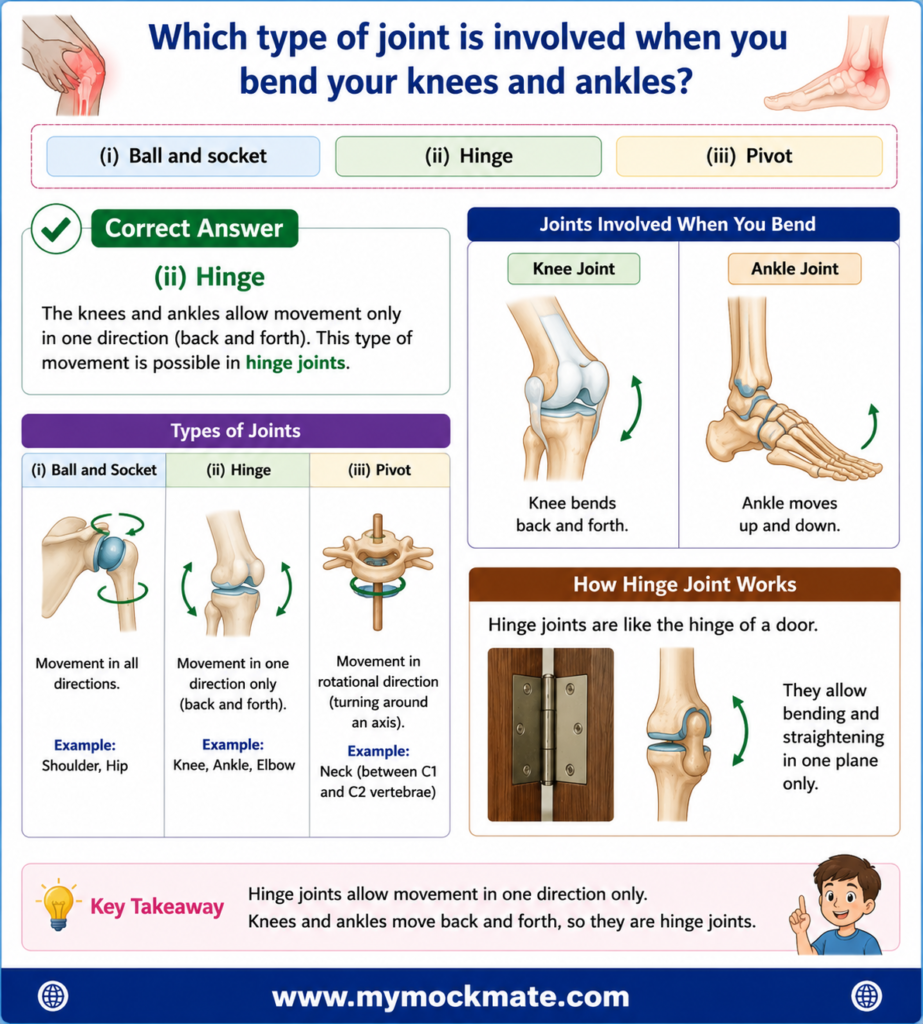
Which type of joint is involved when you bend your knees and ankles?
(i) Ball and socket
(ii) Hinge
(iii) Pivot
Question 6 Assertion-Reason Answers
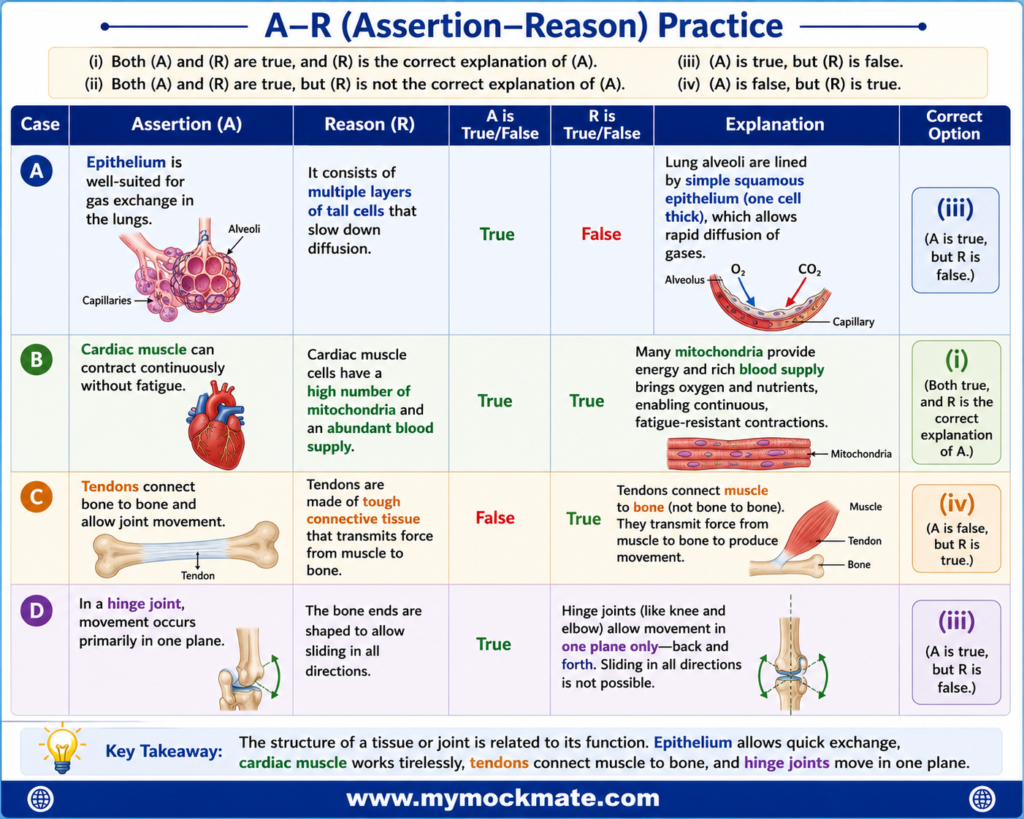
In each of the following cases (A, B, C and D), choose the correct option as given below:
(i) Both (A) and (R) are true, and (R) is the correct explanation of (A).
(ii) Both (A) and (R) are true, but (R) is not the correct explanation of (A).
(iii) (A) is true, but (R) is false.
(iv) (A) is false, but (R) is true.
A. Assertion: Epithelium is well-suited for gas exchange in the lungs.
Reason: It consists of multiple layers of tall cells that slow down diffusion.
B. Assertion: Cardiac muscle can contract continuously without fatigue.
Reason: Cardiac muscle cells have a high number of mitochondria and an abundant blood supply
C. Assertion: Tendons connect bone to bone and allow joint movement.
Reason: Tendons are made of tough connective tissue that transmits force from muscle to bone.
D. Assertion: In a hinge joint, movement occurs primarily in one plane.
Reason: The bone ends are shaped to allow sliding in all directions
Question 7
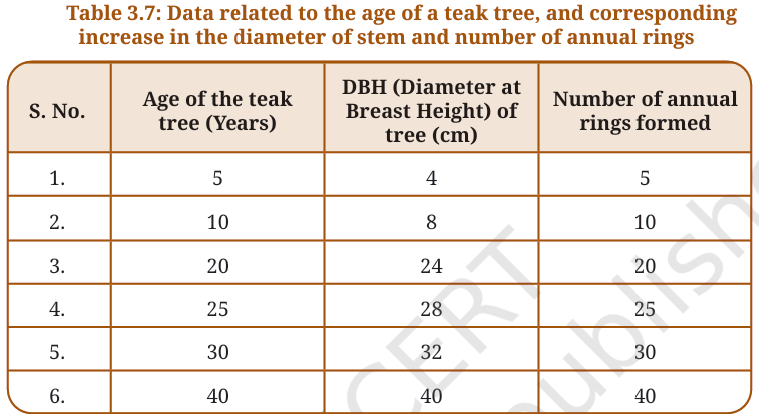
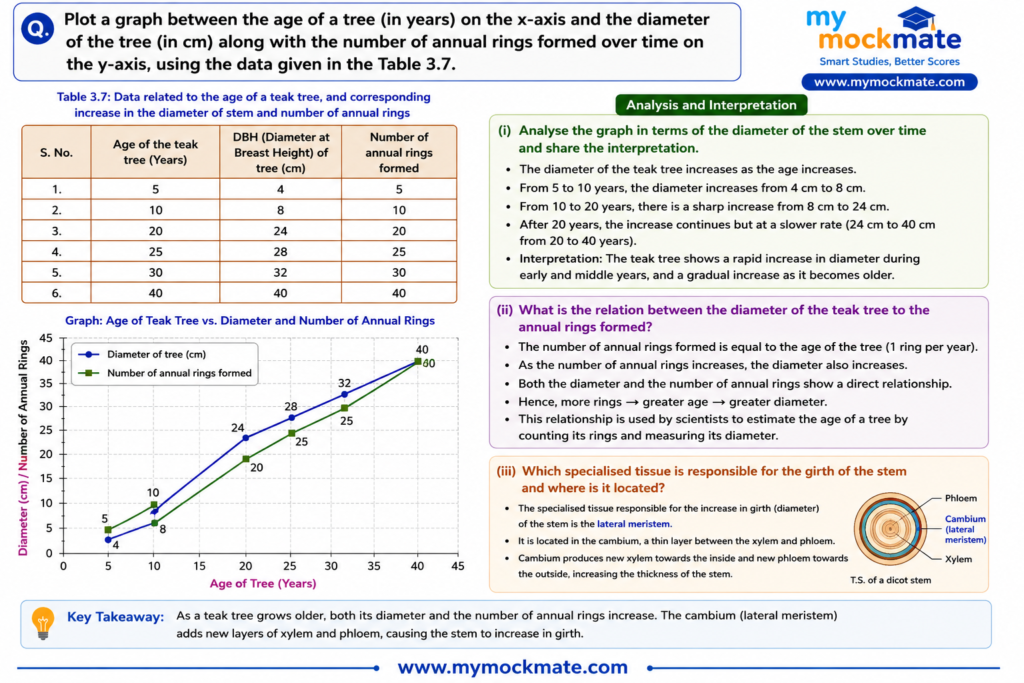
Plot a graph between the age of a tree (in years) on the x-axis and the
diameter of the tree (in cm) along with the number of annual rings
formed over time on the y-axis, using the data given in the Table 3.7.
(i) Analyse the graph in terms of the diameter of the stem over time and share the interpretation.
(ii) What is the relation between the diameter of the teak tree to the annual rings formed?
(iii) Which specialised tissue is responsible for the girth of the stem and where is it located?
Question 8
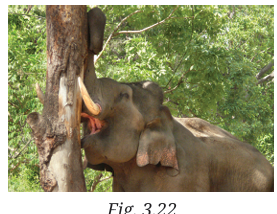
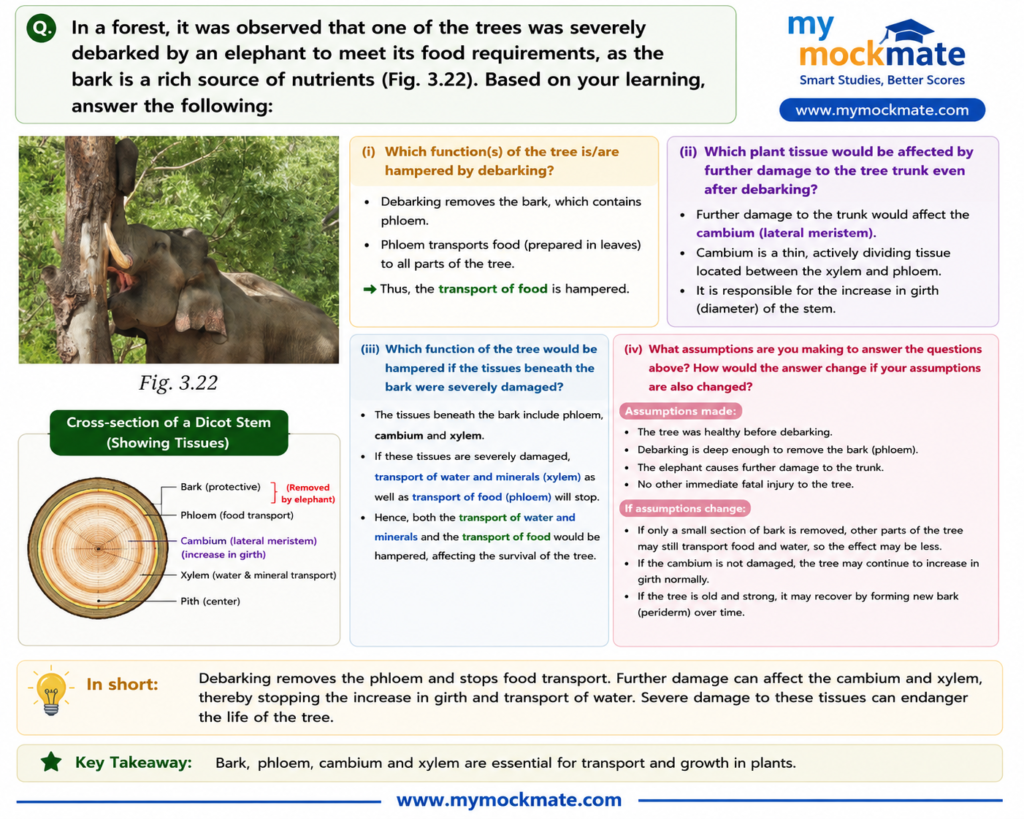
In a forest, it was observed that one of the trees was severely debarked by an elephant to meet its food requirements, as the bark is a rich source of nutrients (Fig. 3.22). Based on your learning, answer the following:
(i) Which function(s) of the tree is/are hampered by debarking?
(ii) Which plant tissue would be affected by further damage to the tree trunk even after debarking?
(iii) Which function of the tree would be hampered if the tissues beneath the bark were severely damaged?
(iv) What assumptions are you making to answer the questions above? How would the answer change if your assumptions are also changed?
Question 9
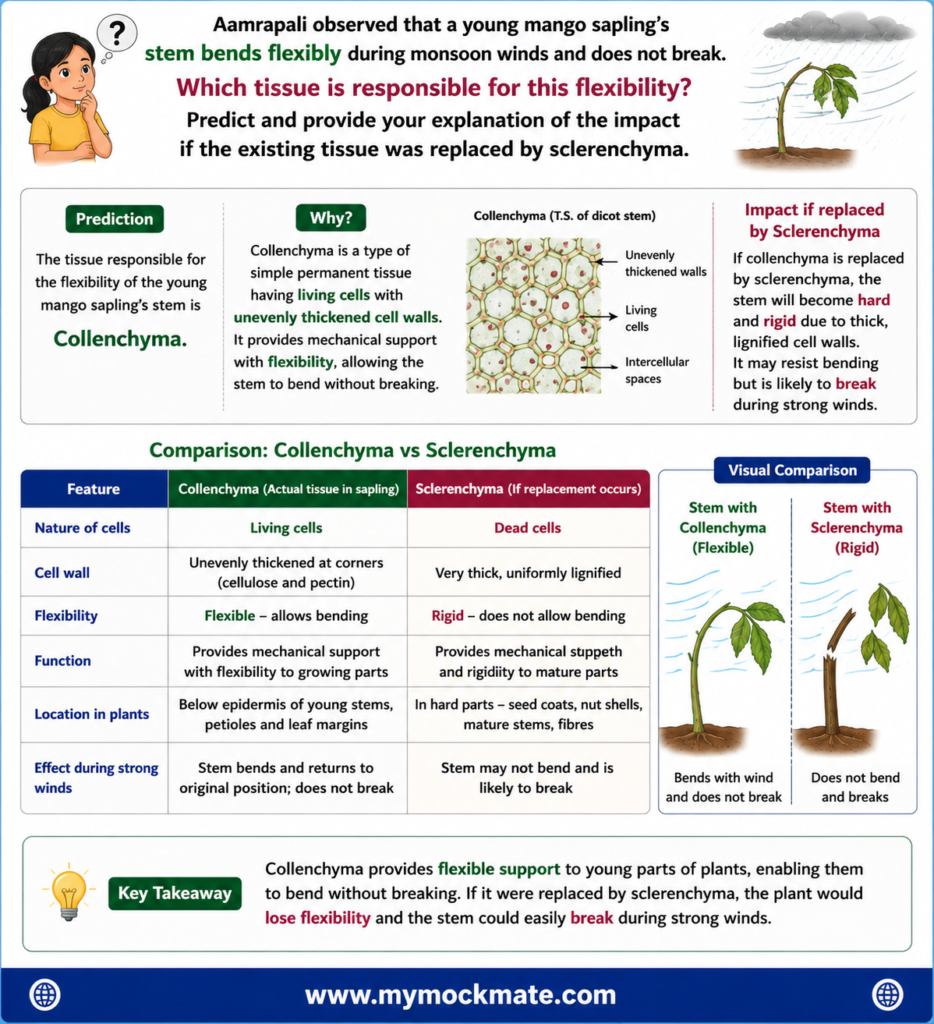
Aamrapali observed that a young mango sapling’s stem bends flexibly during monsoon winds and does not break. Which tissue is responsible for this flexibility? Predict and provide your explanation of the impact if the existing tissue was replaced by sclerenchyma.
Question 10
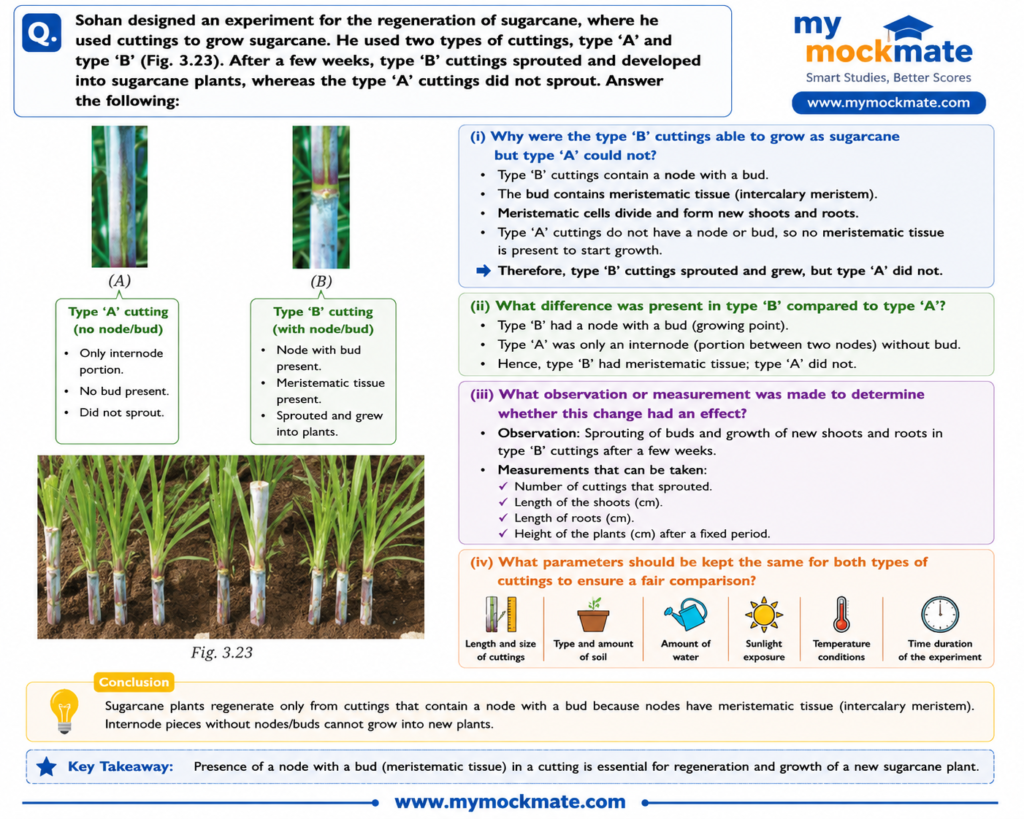
Sohan designed an experiment for the regeneration of sugarcane, where he used cuttings to grow sugarcane. He used two types of cuttings, type ‘A’ and type ‘B’ (Fig. 3.23). After a few weeks, type ‘B’ cuttings sprouted and developed into sugarcane plants, whereas the type ‘A’ cuttings did not sprout.
(i) Why were the type ‘B’ cuttings able to grow as sugarcane but type ‘A’ could not?
(ii) What difference was present in type ‘B’ compared to type ‘A’?
(iii) What observation or measurement was made to determine whether this change had an effect?
(iv) What parameters should be kept the same for both types of cuttings to ensure a fair comparison?
Question 11
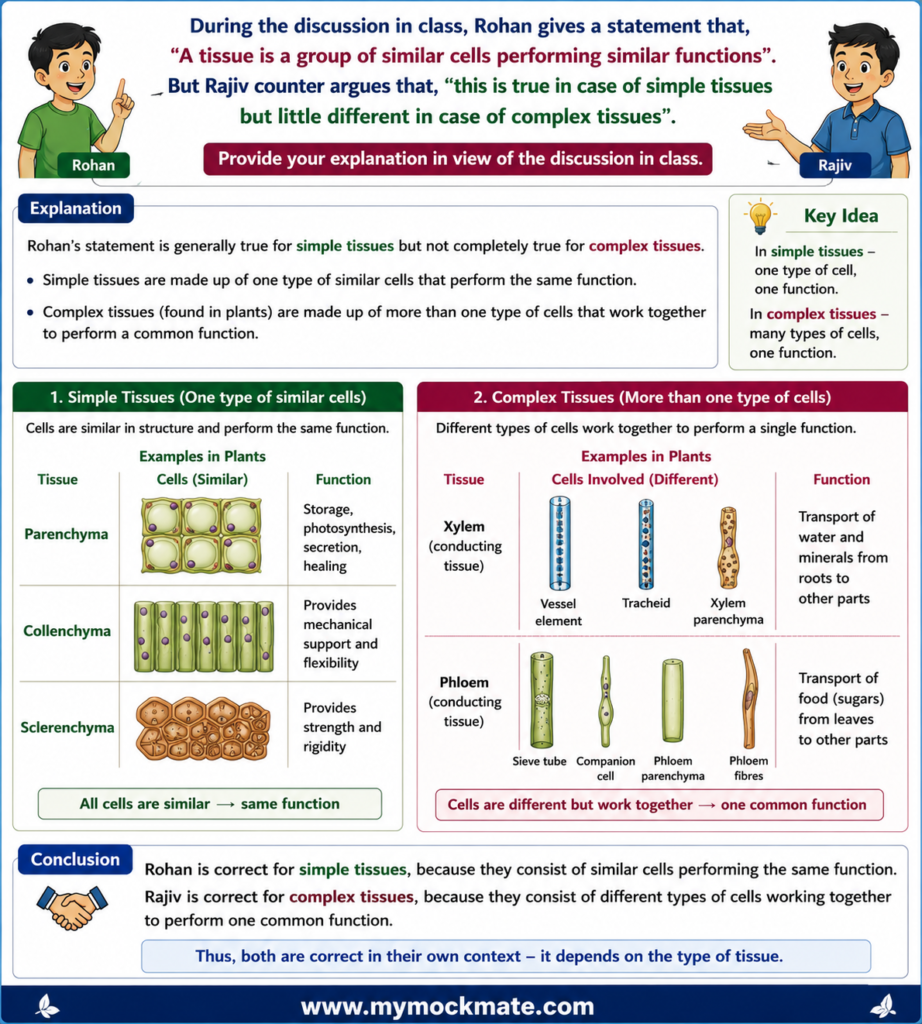
During the discussion in class, Rohan gives a statement that, “A tissue is a group of similar cells performing similar functions”. But Rajiv counter argues that, “this is true in case of simple tissues but little different in case of complex tissues”. Provide your explanation in view of the discussion in class.
Question 12
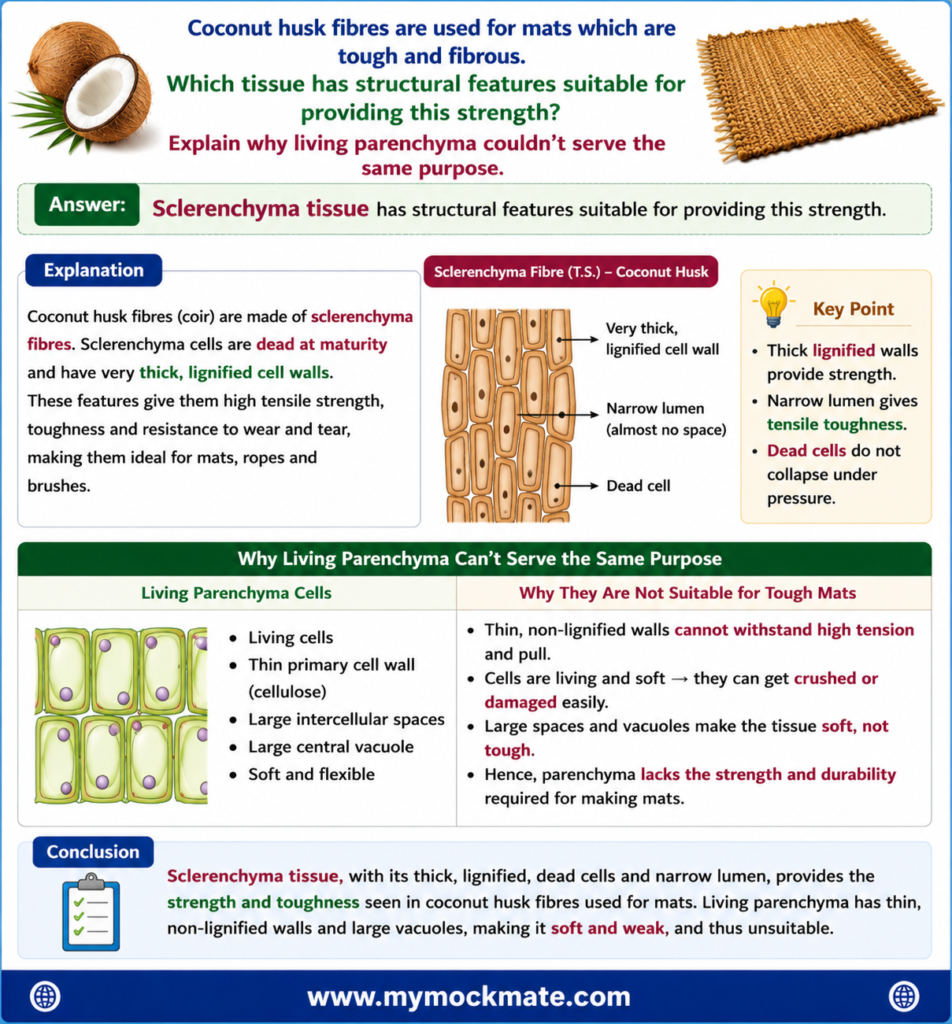
Coconut husk fibres are used for mats which are tough and fibrous. Which tissue has structural features suitable for providing this strength? Explain why living parenchyma couldn’t serve the same purpose.
Question 13
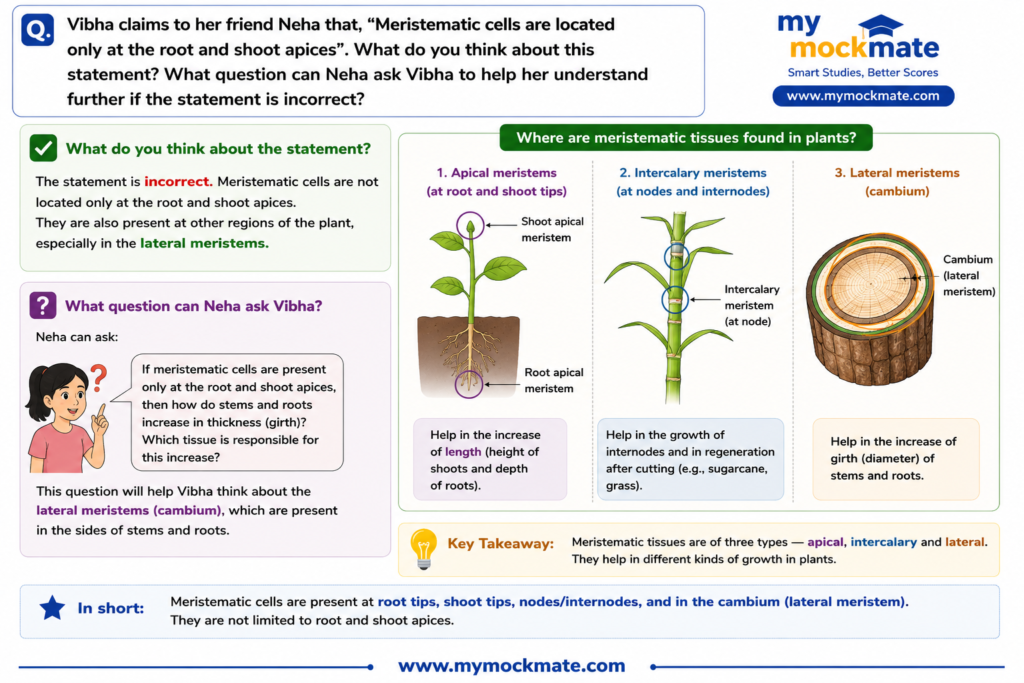
Vibha claims to her friend Neha that, “Meristematic cells are located only at the root and shoot apices”. What do you think about this statement? What question can Neha ask Vibha to help her understand further if the statement is incorrect?
Question 14
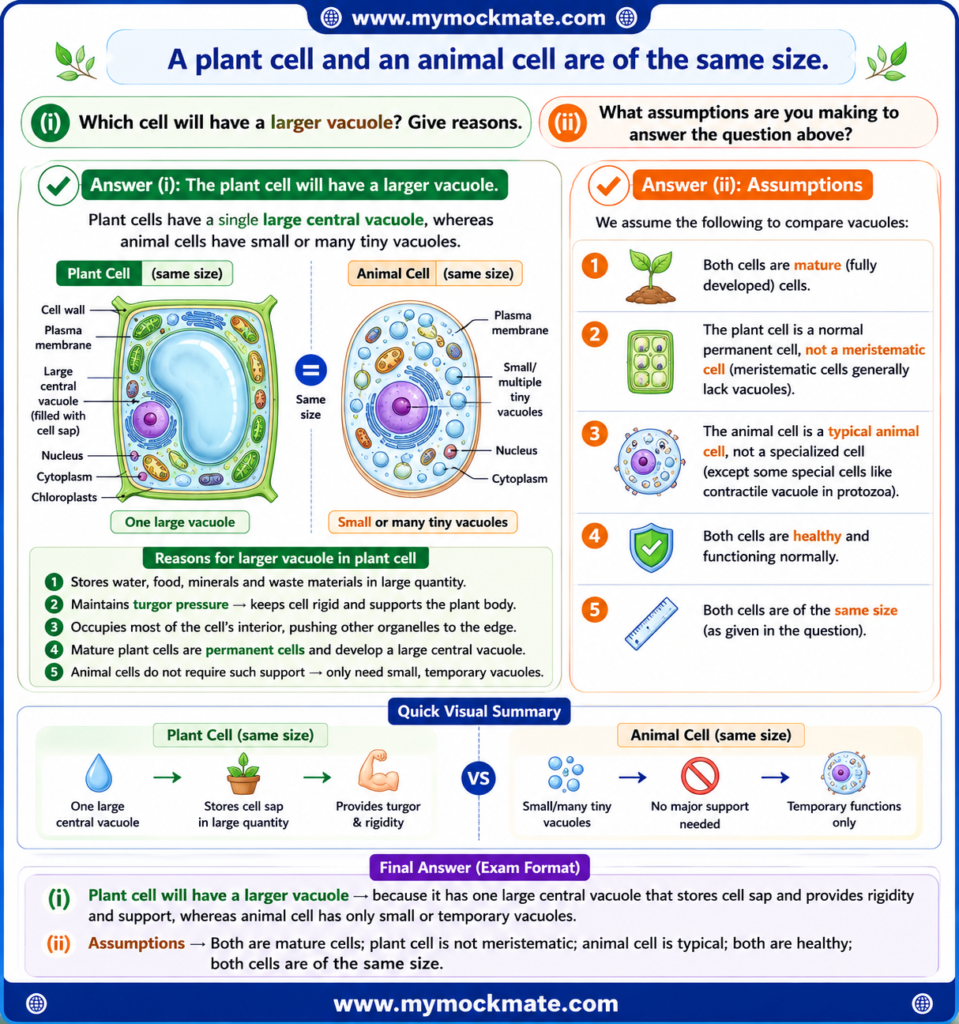
A plant cell and an animal cell are of the same size.
(i) Which cell will have a larger vacuole? Give reasons.
(ii) What assumptions are you making to answer the question above?
Question 15
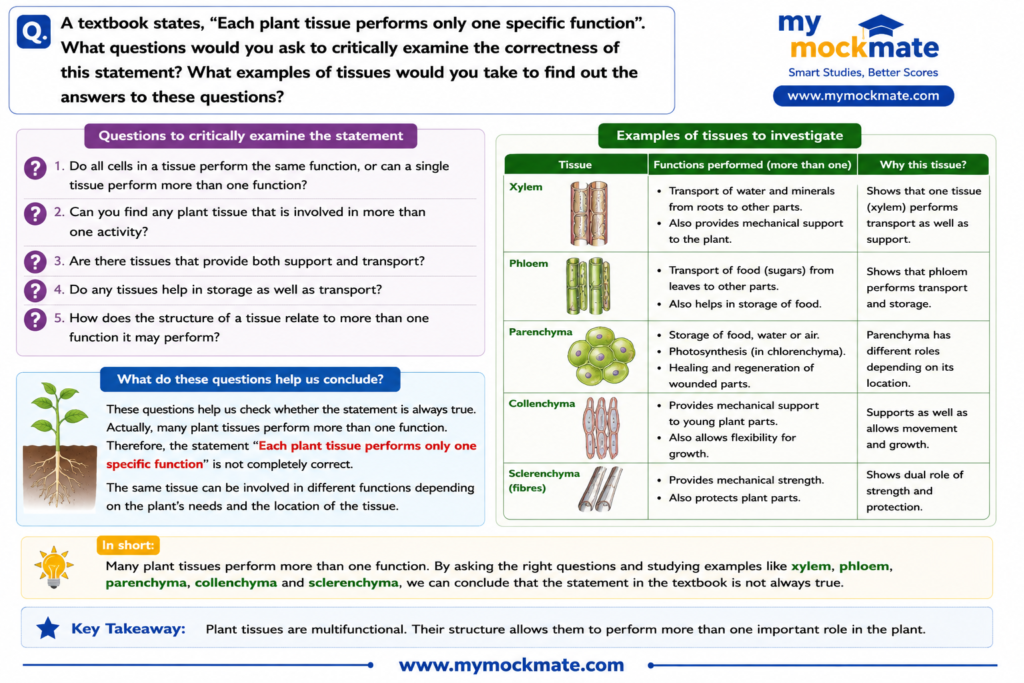
A textbook states, “Each plant tissue performs only one specific function”. What questions would you ask to critically examine the correctness of this statement? What examples of tissues would you take to find out the answers to these questions?
Common Mistakes
- Confusing xylem and phloem
- Writing tendon instead of ligament
- Forgetting that sclerenchyma cells are dead
- Mixing voluntary and involuntary muscles
- Confusing hinge joint with pivot joint
Exam Tips
- Learn functions of all tissues in table form.
- Practice diagrams of neuron, muscles and joints.
- Remember examples of each tissue.
- Revise differences between plant and animal tissues.
- Focus on assertion-reason questions carefully.
Practice MCQs
1. Which tissue transports water in plants?
A. Phloem
B. Xylem
C. Epidermis
D. Collenchyma
Answer
B. Xylem
2. Which muscle is involuntary and striated?
A. Skeletal
B. Smooth
C. Cardiac
D. Tendon
Answer
C. Cardiac
3. Which tissue forms outer covering of body?
A. Nervous
B. Epithelial
C. Muscular
D. Connective
Answer
B. Epithelial
4. Which joint is present in shoulder?
A. Pivot
B. Hinge
C. Fixed
D. Ball and socket
Answer
D. Ball and socket
FAQ Section
Q1. What is a tissue?
A tissue is a group of similar cells performing a specific function.
Q2. What are the main types of plant tissues?
Meristematic and permanent tissues.
Q3. Which tissue transports food in plants?
Phloem transports food.
Q4. Which tissue helps in movement?
Muscular tissue helps in movement.
Q5. Which joint allows circular movement?
Ball and socket joint.
Boost your Class 9 Science preparation with more detailed chapter-wise notes, MCQs, important questions, and solutions only on MyMockMate. Keep learning, keep practicing, and score higher in your exams!