




Short Intro
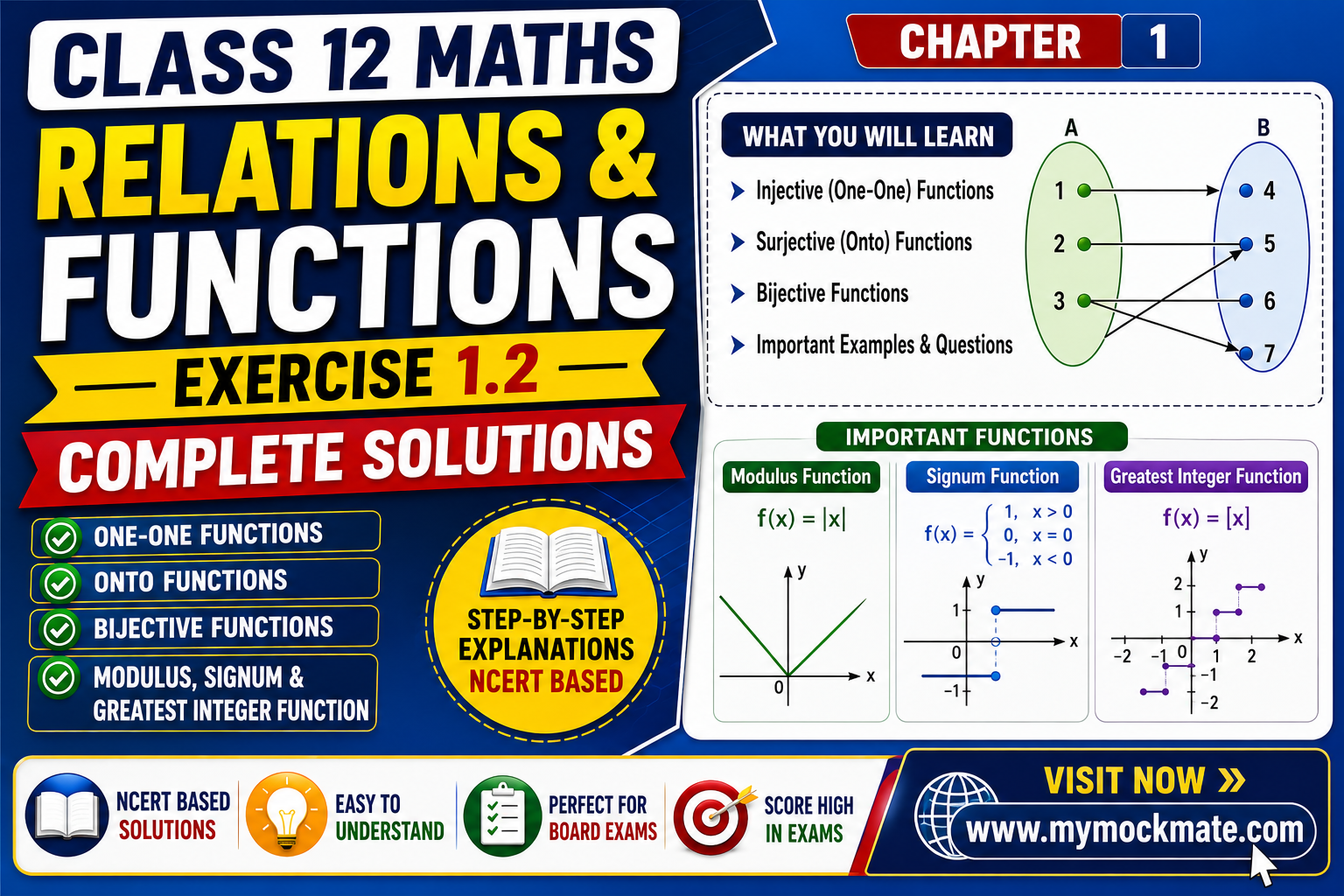
In this post, students can find complete step-by-step solutions for Class 12 Maths Chapter 1 Exercise 1.2 – Relations and Functions based on the latest NCERT syllabus. This exercise covers one-one functions, onto functions, bijective functions, injective and surjective mappings, modulus function, signum function, and greatest integer function in an easy and exam-oriented way.
Quick Information Box
| Item | Details |
|---|---|
| Board | NCERT / CBSE |
| Class | 12 |
| Subject | Mathematics |
| Chapter | Relations and Functions |
| Exercise | 1.2 |
| Main Topics | One-One & Onto Functions |
Concepts Used (Topics Covered)
- One-One (Injective) Function
- Onto (Surjective) Function
- Bijective Function
- Many-One Function
- Greatest Integer Function
- Modulus Function
- Signum Function
- Domain, Co-domain & Range
The chapter explains different types of functions and mappings between sets.
Important Formulas
One-One Function
f(x₁) = f(x₂) ⇒ x₁ = x₂Onto Function
For every y ∈ Y, there exists x ∈ X such that f(x) = yBijective Function
A function which is both one-one and ontoModulus Function
Greatest Integer Function
Questions & Step-by-step Solutions
Question 1
Show that the function
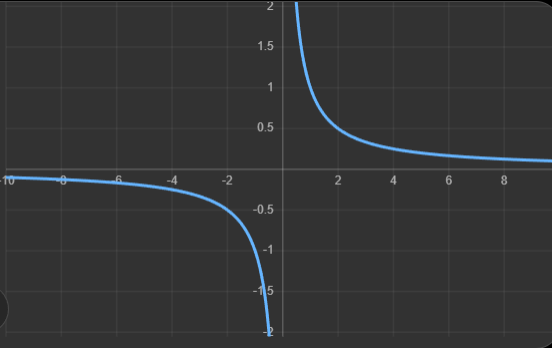
is one-one and onto on R*.
Solution
Let:
f(x₁) = f(x₂)Then:
1/x₁ = 1/x₂Therefore:
x₁ = x₂Hence, the function is one-one.
Now for any:
y ∈ R*choose:
x = 1/yThen:
f(x) = yTherefore, the function is onto.
Hence:

f is bijective.The result is not true if domain is N because negative real numbers cannot be images.
Question 2
Check injectivity and surjectivity.
(i)
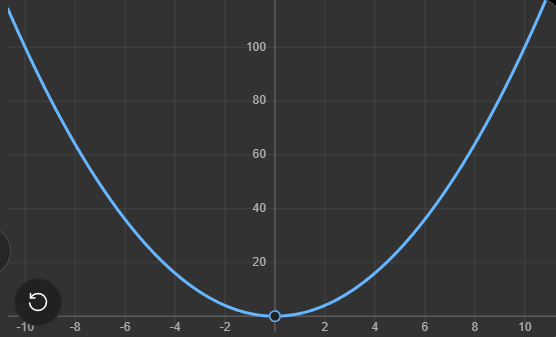
for:
f : N → NSolution
If:
x₁² = x₂²then:
x₁ = x₂Hence one-one.
But:
2is not image of any natural number.
Therefore:
One-one but not onto.(ii)
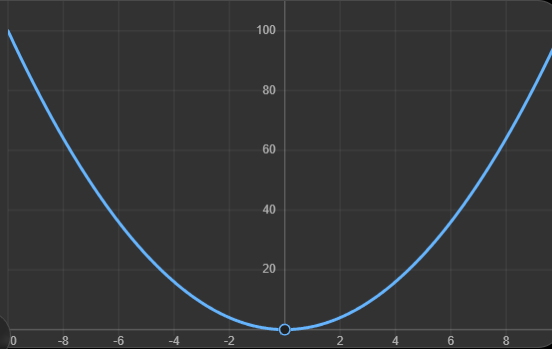
for:
f : Z → ZSolution
Since:
f(2) = f(−2)the function is not one-one.
Negative integers are not images.
Hence:
Neither one-one nor onto.(iii)
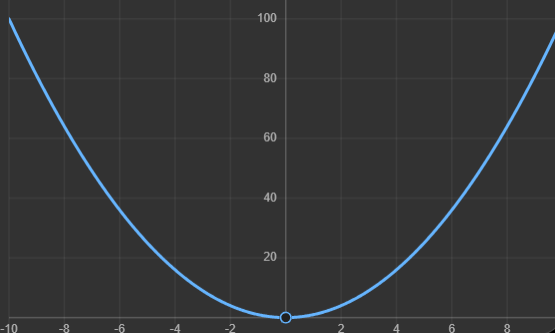
for:
f : R → RSolution
Since:
f(1) = f(−1)not one-one.
Negative real numbers are not images.
Therefore:
Neither one-one nor onto.(iv)
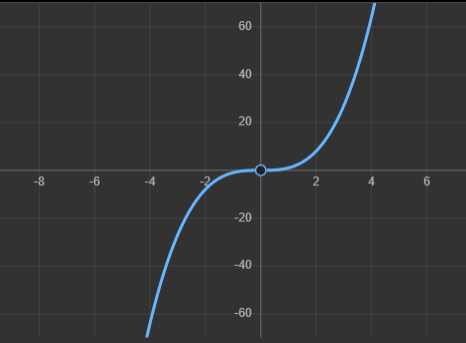
for:
f : N → NSolution
Cube function is strictly increasing.
Hence one-one.
But numbers like:
2are not perfect cubes.
Hence:
Not onto.(v)
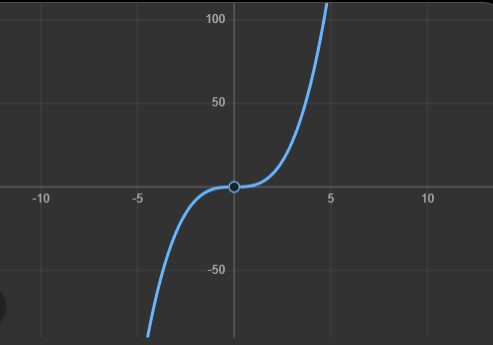
for:
f : Z → ZSolution
Cube function is one-one.
But integers like:
2are not cubes.
Therefore:
One-one but not onto.Question 3
Greatest Integer Function
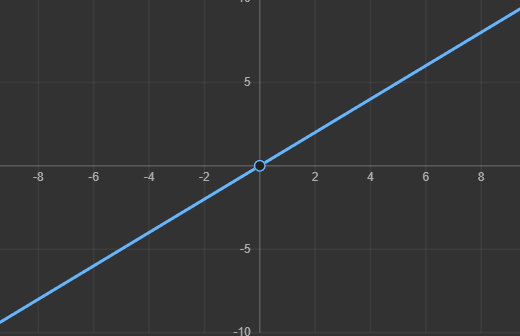
Solution
Since:
[1.2] = [1.8] = 1the function is not one-one.
Also numbers like:
1.5are not images.
Hence:
Neither one-one nor onto.Question 4
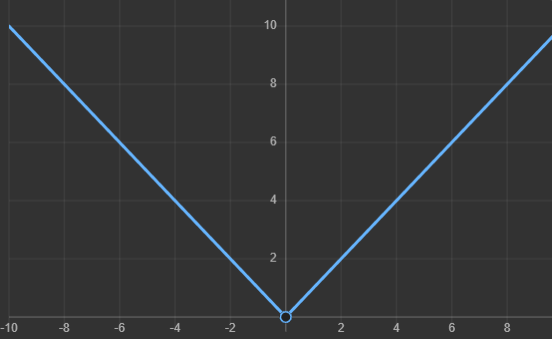
Modulus Function
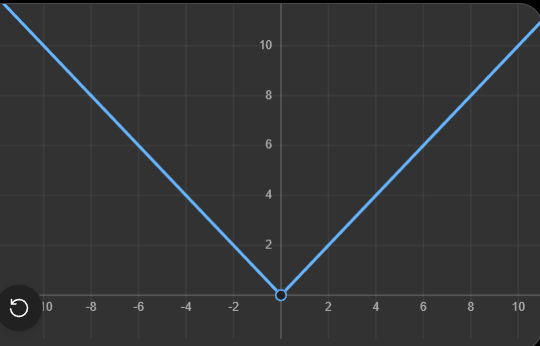
Solution
Since:
|1| = |−1|not one-one.
Negative numbers are not images.
Hence:
Neither one-one nor onto.Question 5
Signum Function
Solution
Many numbers have same image.
Therefore not one-one.
Range is:
{−1,0,1}Hence not onto on R.
Question 6
Function from A = {1,2,3} to B = {4,5,6,7}
Solution
Given:
f = {(1,4),(2,5),(3,6)}Different elements have different images.
Therefore:
f is one-one.Question 7
State whether functions are one-one or onto.
(i)
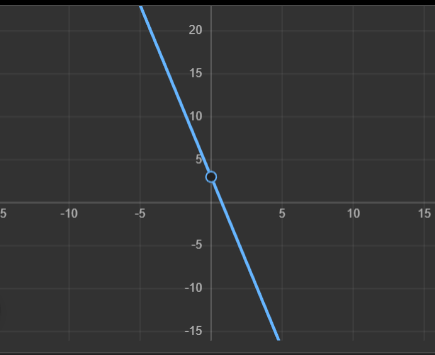
Solution
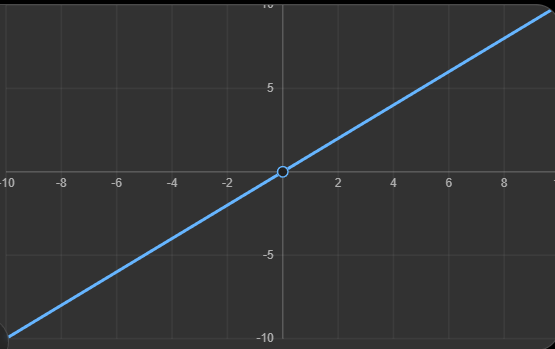
Linear function with non-zero slope.
Hence:
One-one and onto.(ii)
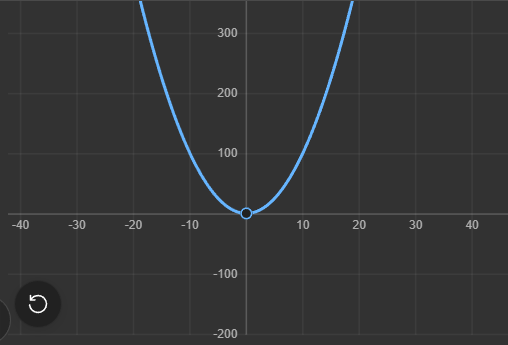
Solution
Since:
f(1)=f(−1)not one-one.
Also values less than 1 are not images.
Hence:
Neither one-one nor onto.Question 8
Show that
is bijective.
Solution
Different ordered pairs produce different images.
Hence one-one.
Every pair in:
B × Ahas pre-image.
Hence onto.
Therefore:
f is bijective.Question 9
Function on natural numbers
Solution
The function maps odd and even numbers uniquely.
Every natural number has pre-image.
Therefore:
The function is bijective.Question 10
Check whether function is one-one and onto.
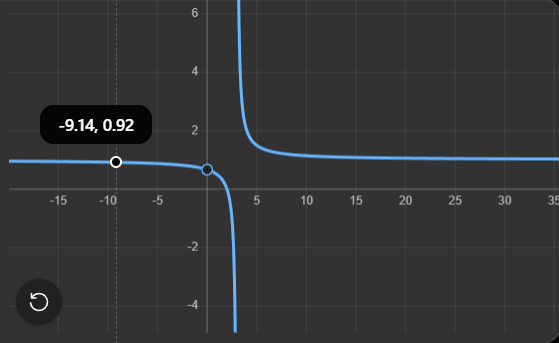
Solution
Let:
f(x₁)=f(x₂)After simplification:
x₁=x₂Hence one-one.
Also every element in:
B = R − {1}has pre-image.
Therefore:
f is onto.Hence bijective.
Question 11
Choose correct answer for
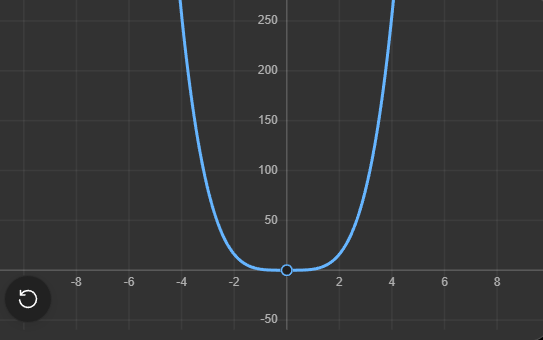
Solution
Since:
f(1)=f(−1)not one-one.
Negative values are not images.
Correct option:
(D) Neither one-one nor ontoQuestion 12
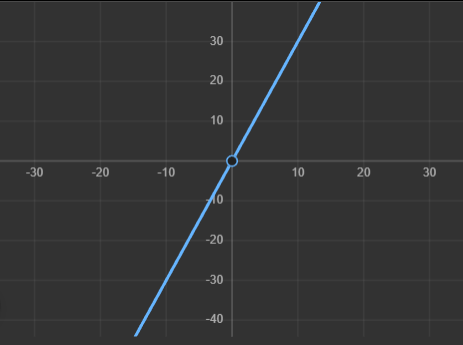
Choose correct answer for
Solution
Linear function with non-zero slope.
Correct option:
(A) One-one and ontoCommon Mistakes
- Confusing onto with one-one
- Forgetting co-domain
- Ignoring repeated outputs
- Wrongly assuming every linear function is onto for all domains
Exam Tips
- Always check injective and surjective separately.
- Use counterexamples carefully.
- Remember range while checking onto.
- Practice graph interpretation.
Practice MCQs
MCQ 1
A function which is both one-one and onto is called:
A. Constant
B. Bijective
C. Many-one
D. Identity
Answer:
B. BijectiveMCQ 2
Function:
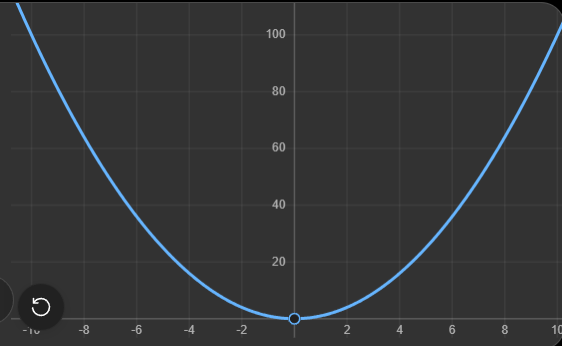
on R is:
A. One-one
B. Onto
C. Bijective
D. Neither one-one nor onto
Answer:
D. Neither one-one nor ontoMCQ 3
The modulus function is:
A. Onto
B. One-one
C. Bijective
D. Neither one-one nor onto
Answer:
D. Neither one-one nor ontoFAQ Section
What is an injective function?
A function in which different inputs have different outputs.
What is a surjective function?
A function where every element of co-domain has a pre-image.
What is a bijective function?
A function which is both injective and surjective.
Why is modulus function not one-one?
Because:
|1| = |−1|📘 Prepare Smarter with MyMockMate!
✅ Chapter-wise NCERT Solutions
✅ Important MCQs & Notes
✅ Online Mock Tests
✅ Instant Result & Analysis
✅ CBSE Board Preparation Support
Start learning now on MyMockMate